Minority Stressors and Protective Factors of LGBTQ+ People During COVID-19 Pandemic
This project was awarded the Mary Bywater Cross and Robert P. Newman Research Award by the University of Iowa College of Education in 2024.
In May 2021, during the early stage of the COVID-19 pandemic in South Korea, a major news outlet publicly identified a patient as a “gay man” who had visited several gay clubs in Itaewon, revealing personal information without consent. The disclosure triggerd a surge of online hostility toward the LGBTQ+ community, deepening stigma and intensifying fears of infection among its members. Guided by the Minority Stress Model (Meyer, 2003)1, this project examines how minority stressors, such as the perceived threat of COVID-19, shape internalized stigma and, in turn, influence mental health outcomes among LGBTQ+ people. The project also explores whether protective factors, including community connectedness, buffer these adverse effects.
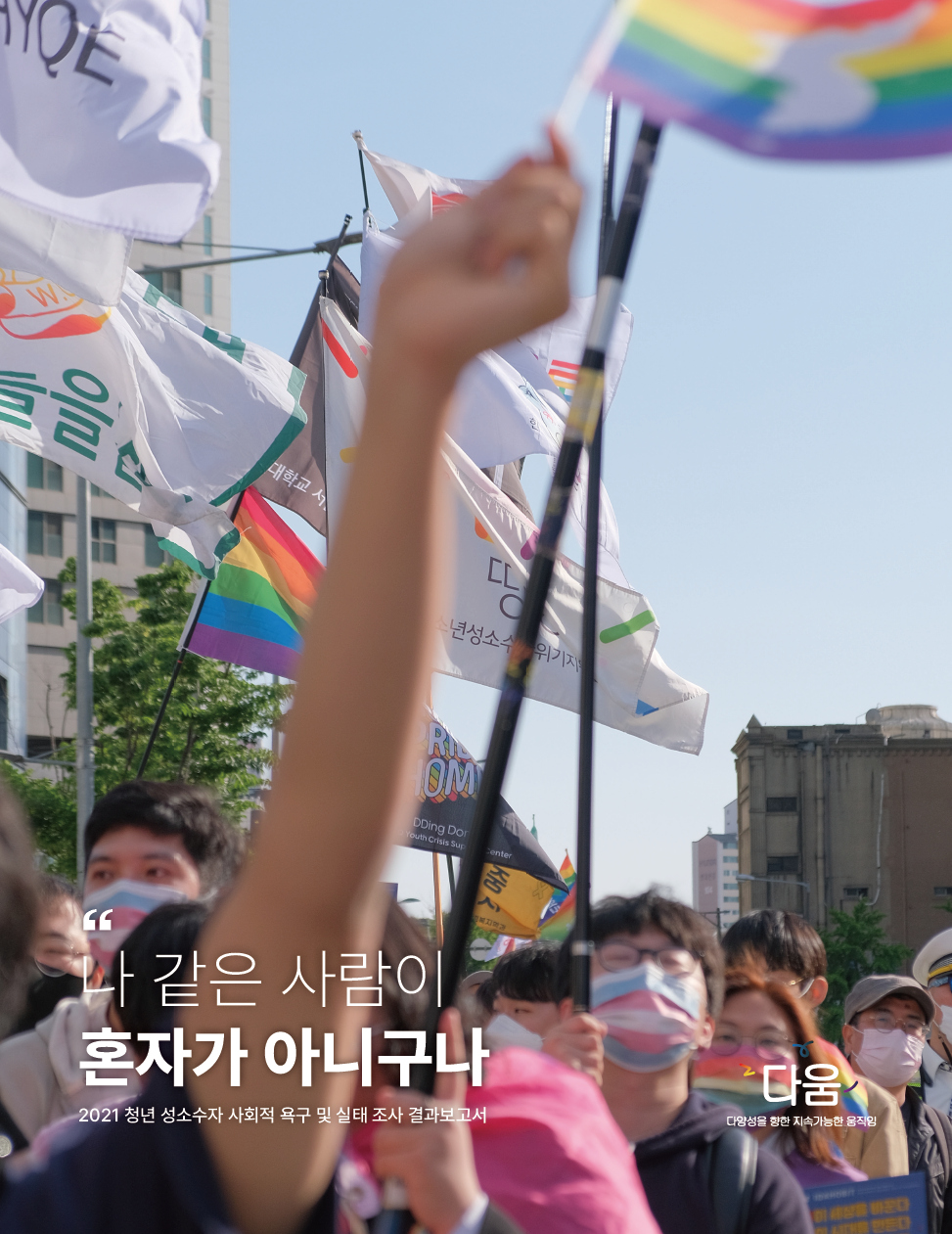
I will use data from the 2021 Youth LGBTQ+ People’s Social Needs and Status Survey (Jeong et al., 2021)2, which includes responses from 3,911 LGBTQ+ people aged 19 to 34 in South Korea. For analysis, I will use SPSS 27.0, Mplus, and R to test the mediating effects of minority stressors and the moderating roles of protective factors in these relationships.
- Im, G. (2024, July 19). Relationships between perceived threat of COVID-19, internalized stigma, and depression among LGB people: Focusing on the moderating effects of community connectedness [Paper presentation]. The 1st Conference of Junior Scholars Network of LGBTIQ Research, Seoul, South Korea.
Footnotes
Meyer, I. H. (2003). Prejudice, social stress, and mental health in lesbian, gay, and bisexual populations: Conceptual issues and research evidence. Psychological Bulletin, 129(5), 674–697.↩︎
Jeong, S., Kim, B., Shim, K., & Han, S. (2021). 2021 youth LGBTQ+ people’s social needs and status survey. Dawoom: Together for Change.↩︎